Best-Ever Pie Crust
From the kitchen of CarlyButter and lard make this crust shatteringly crisp and impossibly flaky. The ratio is precise, the technique straightforward. Mix, chill, roll. Whether you're filling it with fruit or custard, this foundation transforms any pie from good to genuinely memorable.
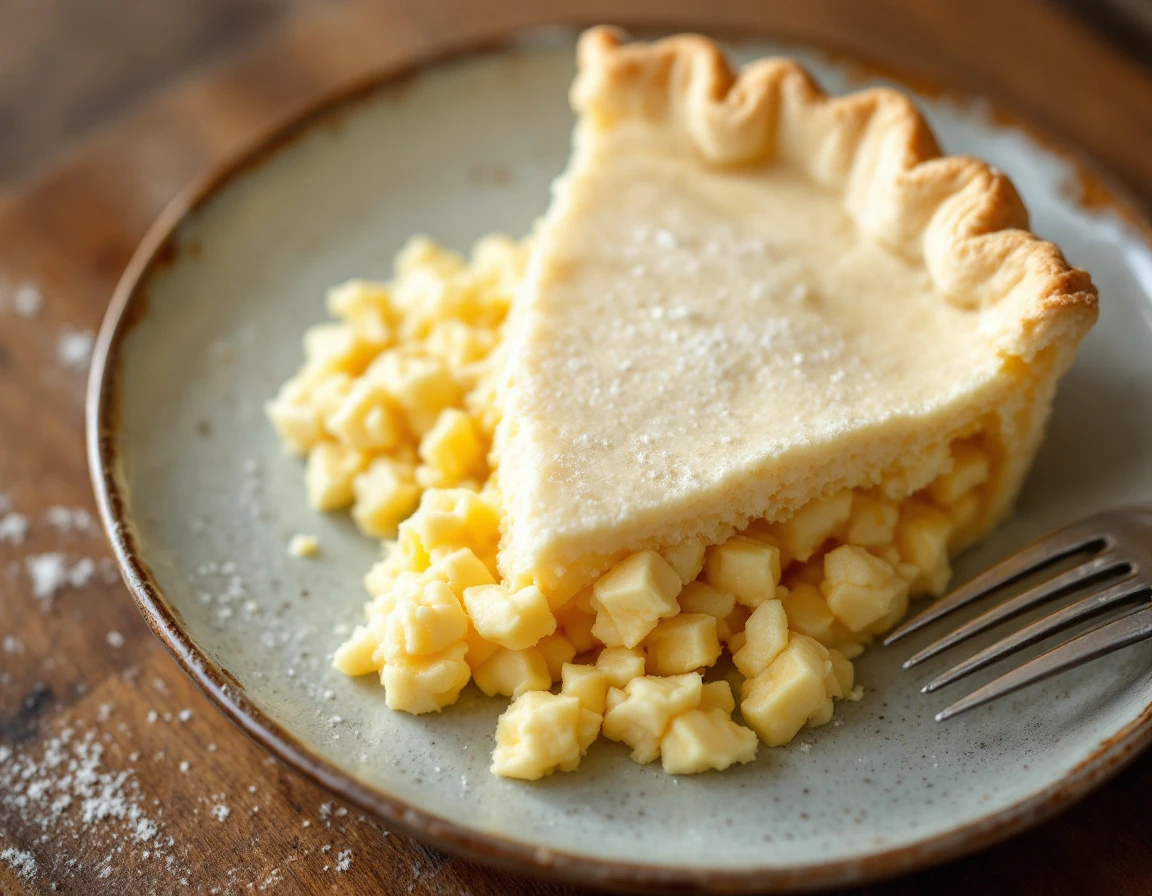
The secret to flaky, tender pastry is fat and cold. Butter and lard together give you both richness and lift, while the food processor keeps everything properly chilled during mixing. The tender crumb comes from not overworking the dough, and the flakes come from pockets of solid fat that steam apart in the oven. Once you nail this technique, you'll never use store-bought again.
- Prep
- n/a
- Cook
- n/a
- Total
- n/a
- Servings
- 4
- Difficulty
- medium
Ingredients
4 servings
- 2 1/2 cupunbleached all purpose flour
- 1 1/2 tspsugar
- 1 tspsalt
- 1/2 cupchilled unsalted butter, cut into 1/2-inch cubes
- 1/2 cupchilled lard or frozen nonhydrogenated solid vegetable shortening, cut into 1/2-inch cubes
- 5 tbspice water
Instructions
Combine the flour, sugar, and salt in a food processor, then drop in the butter and lard. Pulse with on/off turns until the mixture looks like coarse meal. Tip it all into a medium bowl, pour in 5 tablespoons of ice water, and stir with a fork until the dough starts to clump; if it still looks dry, work in more water a teaspoon at a time. Bring the dough together with your hands, then split it in half and press each portion into a flat disk. Wrap both disks in plastic and refrigerate for at least 1 hour, or up to 3 days. Let the dough soften briefly at room temperature if it feels too firm to roll.
Tips from the kitchen
- Use a food processor to cut the fat into flour quickly and evenly, which keeps everything cold. Hand mixing or a pastry cutter works too, but the processor is faster and more reliable.
- Ice water is non-negotiable. Warm water makes gluten develop and ruins your texture. Keep a bowl of ice next to your mixing bowl and grab it as you work.
- Don't skip the lard. Butter alone makes decent crust, but lard gives you flakiness that shortening can't touch. If you hate lard, use half butter and half vegetable shortening, but the pie crust will be less tender.
- The disks need to rest in the fridge at least an hour, preferably overnight. This lets gluten relax and makes the dough easier to roll without shrinking in the oven.
- If dough cracks at the edges when you roll it out, it's too cold. Let it sit on the counter for 5 to 10 minutes to soften just slightly, then try again.
Variations
- All-butter crust: Skip the lard and use 1 cup cold butter instead. You'll lose some flakiness but gain a richer, more tender crumb that some people prefer.
- Whole wheat: Replace 1/2 cup all-purpose flour with whole wheat flour. The crust will be earthier and slightly more structured, but still tender if you keep the fat ratio the same.
- Herb or savory crust: Add 1 tablespoon fresh thyme or rosemary (finely chopped) and a few grinds of black pepper to the flour mixture. Great for pot pies or chicken hand pies.
- Cornmeal crust: Replace 1/4 cup flour with cornmeal. You'll get a subtle crunch and grittier texture that works beautifully with berry or stone fruit fillings.
Make ahead and storage
Wrapped disks keep in the fridge for up to 3 days. Freeze them for up to 3 months. You don't need to thaw frozen dough before rolling, though it may take a few extra minutes and need a light beating with your rolling pin to soften slightly.