Blood Orange Polenta Upside Down-Cake with Whipped Crème Fraîche
From the kitchen of CarlyTart blood orange slices caramelize beneath polenta cake, then flip to reveal jeweled fruit arranged in glossy amber. The cornmeal crumb stays tender while whipped crème fraîche cuts through richness. Stunning and citrus-bright.
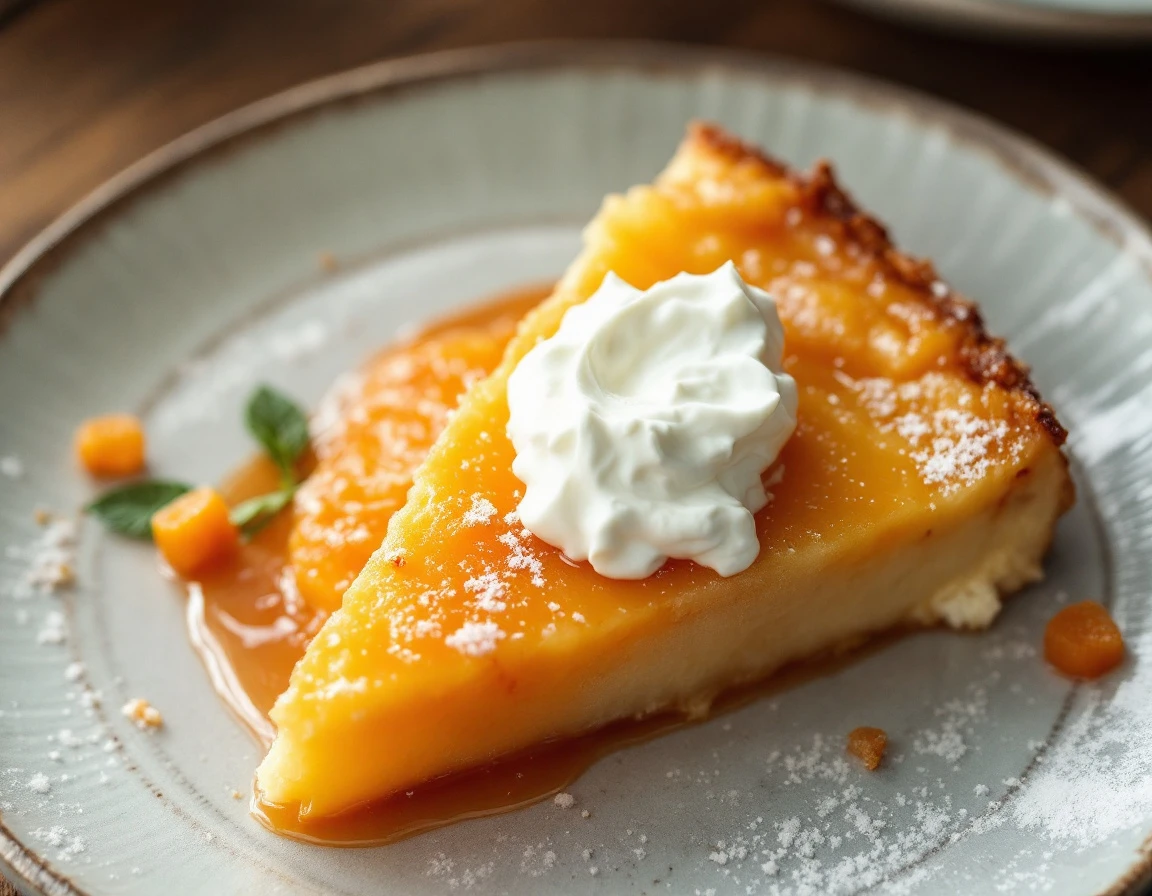
Blood oranges have a short season and a wine-dark flesh that tastes like raspberry and citrus at once. This upside-down cake caramelizes them thin and leans into that complexity with polenta's corn sweetness, then tops it all with crème fraîche that cuts the sugar. The trick is getting the caramel golden enough to taste like something, but not so dark it turns bitter.
- Prep
- n/a
- Cook
- n/a
- Total
- n/a
- Servings
- 4
- Difficulty
- medium
Ingredients
4 servings
- 7 tbspsugar, divided, plus 3/4 cup sugar
- 3 tbspwater
- 8 tbspunsalted butter, room temperature, divided
- 3unpeeled small to medium blood oranges
- 3/4 cupplus 3 tablespoons unbleached all purpose flour
- 3 tbsppolenta or coarse yellow cornmeal
- 1 1/2 tspbaking powder
- 1/4 tspcoarse kosher salt
- 3/4 tspvanilla extract
- 2 largeeggs, separated
- 6 tbspwhole milk
- 1 cupchilled crème fraîche*
- 2 tbspsugar
- 1Ovenproof 10-inch-diameter skillet with 2 1/2-inch-high sides
Instructions
Position a rack in the center of the oven and preheat to 350°F. Combine 6 tablespoons of sugar and 3 tablespoons of water in the 10-inch ovenproof skillet. Stir over medium heat until the sugar dissolves, then crank the heat and let it boil undisturbed, occasionally brushing down the sides with a wet pastry brush and swirling the pan, until the syrup turns golden amber (not dark amber), about 4 minutes. Pull the skillet off the heat and whisk in 2 tablespoons of butter until the caramel is smooth. Set aside.
Slice both rounded ends off each orange so they sit flat. With a sharp knife, cut the oranges into rounds between 1/16 and 1/8 inch thick, picking out and discarding any seeds as you go. Lay the slices over the caramel in the skillet, overlapping them slightly in concentric circles until the bottom is covered.
In a medium bowl, whisk together the flour, polenta, baking powder, and kosher salt. In a separate medium bowl, use an electric mixer to beat the 3/4 cup of sugar, the remaining 6 tablespoons of room-temperature butter, and the vanilla until the mixture is light and fluffy. Beat in the egg yolks one at a time, mixing well after each. Add the flour mixture in 3 additions, alternating with the milk in 2 additions, beating just until incorporated each time.
With clean, dry beaters, whip the egg whites in a large bowl until soft peaks form. Sprinkle in the remaining 1 tablespoon of sugar and continue beating until the whites are stiff but still glossy. Fold a third of the whites into the batter to loosen it, then fold in the rest in 2 additions. Spoon the batter in large dollops over the orange slices and spread it out evenly.
Bake until a tester inserted into the center comes out clean, about 45 minutes. Let the cake cool in the skillet for 10 minutes, then run a small knife around the edge to loosen it. Set a platter face-down on top of the skillet and, gripping both firmly with oven mitts, flip them together in one confident motion. Let the cake settle onto the platter, then nudge any orange slices back into place. Cool completely at room temperature before slicing.
Pour the chilled crème fraîche and 2 tablespoons of sugar into a medium bowl and beat with an electric mixer until the mixture thickens into soft, spoonable peaks.
Cut the cake into wedges and serve each slice with a generous dollop of the whipped crème fraîche.
Crème fraîche is available at most supermarkets and specialty foods stores.
Tips from the kitchen
- Don't skip the wet pastry brush when making caramel. Those sugar crystals that climb the sides of the pan will cause the whole thing to seize and turn grainy if you don't brush them down constantly.
- Slice your oranges on a mandoline if you have one, aiming for that thin, almost translucent thickness. It's not precious, it's necessary for the caramel to shine through.
- Fold the egg whites gently but don't be timid. You want volume in this batter so the cake rises around the fruit instead of staying dense and heavy.
Variations
- Winter citrus swap: Use regular oranges, tangerines, or even thin-sliced grapefruits in place of blood oranges. The caramel will do the heavy lifting.
- Almond flour boost: Replace 2 tablespoons of the all purpose flour with almond flour for a softer crumb and a subtle nuttiness that plays well with citrus.
- Brown butter upgrade: Brown your butter before folding it into the batter, then replace the plain crème fraîche with whipped brown butter crème fraîche for deeper flavor.
- Make it less sweet: Reduce the caramel sugar to 4 tablespoons and the batter sugar to 1/2 cup if you want the oranges and their tartness to lead.
Make ahead and storage
Wrap leftovers at room temperature for up to a day, or cover and refrigerate for up to 2 days. The cake keeps its structure cold. Reheat gently in a low oven if you want to serve it warm again.