Blood Orange and Poppy Polenta Shortbread Cookies
From the kitchen of CarlyButtery polenta shortbread studded with poppy seeds and brightened by blood orange and lemon zest. These tender, crumbly bars have the nutty depth of cornmeal with citrus cutting through every bite. Simple, elegant, and deeply satisfying.
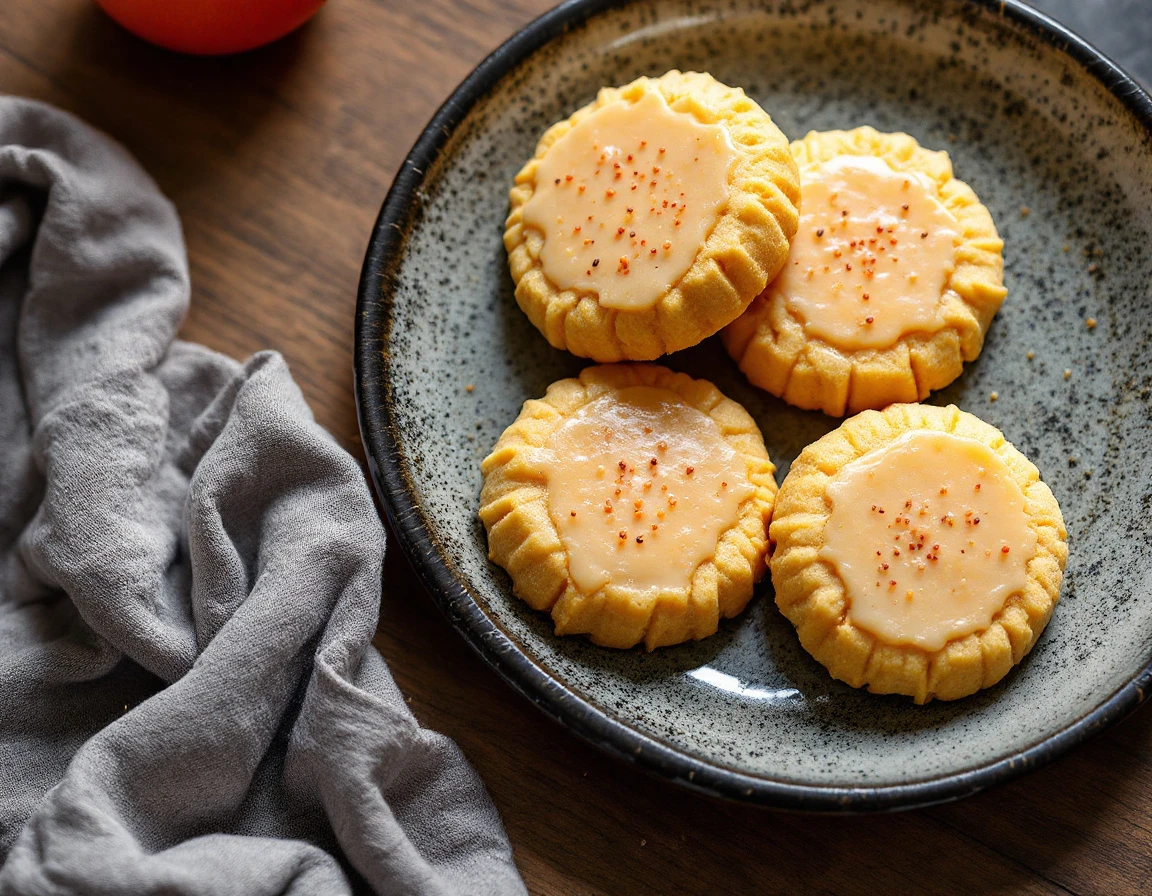
Blood orange and poppy seeds turn shortbread buttery and bright, with polenta adding a sandy, subtle corn texture that keeps these cookies from feeling too refined. The trick is treating the zests like sugar itself, rubbing them together until fragrant and almost damp, which infuses every bite with citrus oil. This is shortbread that tastes like spring caught in a butter cookie.
- Prep
- n/a
- Cook
- n/a
- Total
- n/a
- Servings
- 4
- Difficulty
- medium
Ingredients
4 servings
- 1 cupunsalted butter, room temperature, plus more for pan
- 2/3 cuppolenta
- 1 tspkosher salt
- 1 1/2 cupall-purpose flour, plus more for hands
- 1/2 cupgranulated sugar
- 1Finely grated zest of 1 lemon
- 1Finely grated zest of 2 blood oranges
- 2 tspvanilla extract
- 2 tbsppoppy seeds, plus more for sprinkling
- 1/2 cupblood orange juice
- 1 cuppowdered sugar
Instructions
Preheat the oven to 350°F. Lightly butter an 8x8-inch baking pan, preferably metal, then line it with parchment paper so two sides have an overhang. Butter the parchment as well. In a medium bowl, whisk together the polenta, salt, and 1 1/2 cups flour until combined. Drop the granulated sugar and both the blood orange and lemon zests into a large bowl, then work them together with your fingers for about 1 minute until the mixture smells intensely fragrant and the sugar looks faintly damp. Add the 1 cup of butter and beat with an electric mixer on medium speed until light and fluffy, about 3 minutes. Pour in the vanilla and beat just until it disappears into the batter. Switch the mixer to low and gradually bring in the dry ingredients, mixing only until the flour is absorbed. Run a rubber spatula through the dough a few times to pull up any dry bits hiding at the bottom. The dough will be wet and a little sticky.
With well-floured hands, gently press half the dough into the prepared pan in an even layer. Scatter the 2 tablespoons of poppy seeds across the surface and press them lightly so they grip. Break the remaining dough into pieces, distribute them over the top, and press everything down into a smooth, even layer with floured hands. For a truly flat surface, drag the flat bottom of a straight-sided measuring cup across the dough.
Bake the shortbread until the edges are golden brown and the center has turned a light golden color, 25 to 30 minutes. Leave it to cool completely in the pan.
While the shortbread bakes, pour the blood orange juice into a small saucepan and set it over medium heat. Swirl the pan often and let the juice reduce down to 2 tablespoons, 10 to 12 minutes. Transfer it to a small bowl and let it cool.
Run a small knife or offset spatula along the two sides of the pan not covered by parchment, then grip the paper overhang and lift the shortbread out onto a cutting board. Using a serrated knife, cut the slab into quarters in one direction, then into eighths in the other direction (for larger bars, simply halve it first). Puzzle the bars back into the pan in the order they came out and set the pan aside.
Whisk the powdered sugar into the bowl of reduced juice until the glaze is completely smooth and falls off the whisk in a thick, glossy ribbon. If it clumps and sticks rather than pours, add water a half-teaspoon at a time until it loosens to the right consistency. Drizzle the glaze over the shortbread directly in the pan, then use an offset spatula to spread it all the way to the edges. Finish with a scattering of extra poppy seeds and leave the shortbread undisturbed until the glaze is fully set, at least 1 hour.
Just before serving, retrace all the cuts with a sharp knife, then lift the bars out of the pan.
The shortbread can be baked up to 3 days ahead. Once the glaze has set, cover the pan tightly and keep it at room temperature.
Tips from the kitchen
- Rub the zests with sugar hard and long enough to release all those oils, at least a full minute. You want the sugar to look almost wet and smell intensely of blood orange and lemon. This is the whole flavor payoff.
- Press the dough with floured hands, not a fork or cold fingers. Keep your hands dry and flour them often so the dough doesn't stick and tear.
- The blood orange glaze should reduce to exactly 2 tablespoons. Use a wide, shallow saucepan so the juice reduces fast and evenly without scorching.
- Don't skip the parchment overhang. You need two sides loose so you can lift the whole slab out and cut clean, straight edges.
Variations
- Swap the blood orange for regular orange juice and zest if blood oranges aren't in season. The shortbread will be slightly less tart but just as good.
- Skip the glaze and dust the warm shortbread with a mix of cinnamon and granulated sugar instead for a different texture finish.
- Add 1/2 teaspoon ground cardamom or a pinch of rose water to the dough before mixing for a more perfumed, delicate flavor.
- Make it savory by cutting the granulated sugar to 1/3 cup, removing the vanilla, and mixing in 1 tablespoon fresh rosemary. Brush with good olive oil instead of glaze.
Make ahead and storage
Keep in an airtight container at room temperature for up to 4 days. These freeze beautifully for up to 3 months, glazed or unglazed. Thaw on the counter and they'll taste fresh again.